Sand in Carpet: A Ruskin Homeowner’s Guide to Beach Grit
Living in Ruskin means Tampa Bay, E.G. Simmons Park, and the Little Manatee River are all close by — and so is sand. It rides in on shoes, beach towels, pets, and kids, and a lot of it ends up in your carpet. Sand in carpet is more than a cosmetic problem, and it is worth understanding why.
Why sand in carpet does more damage than regular dirt
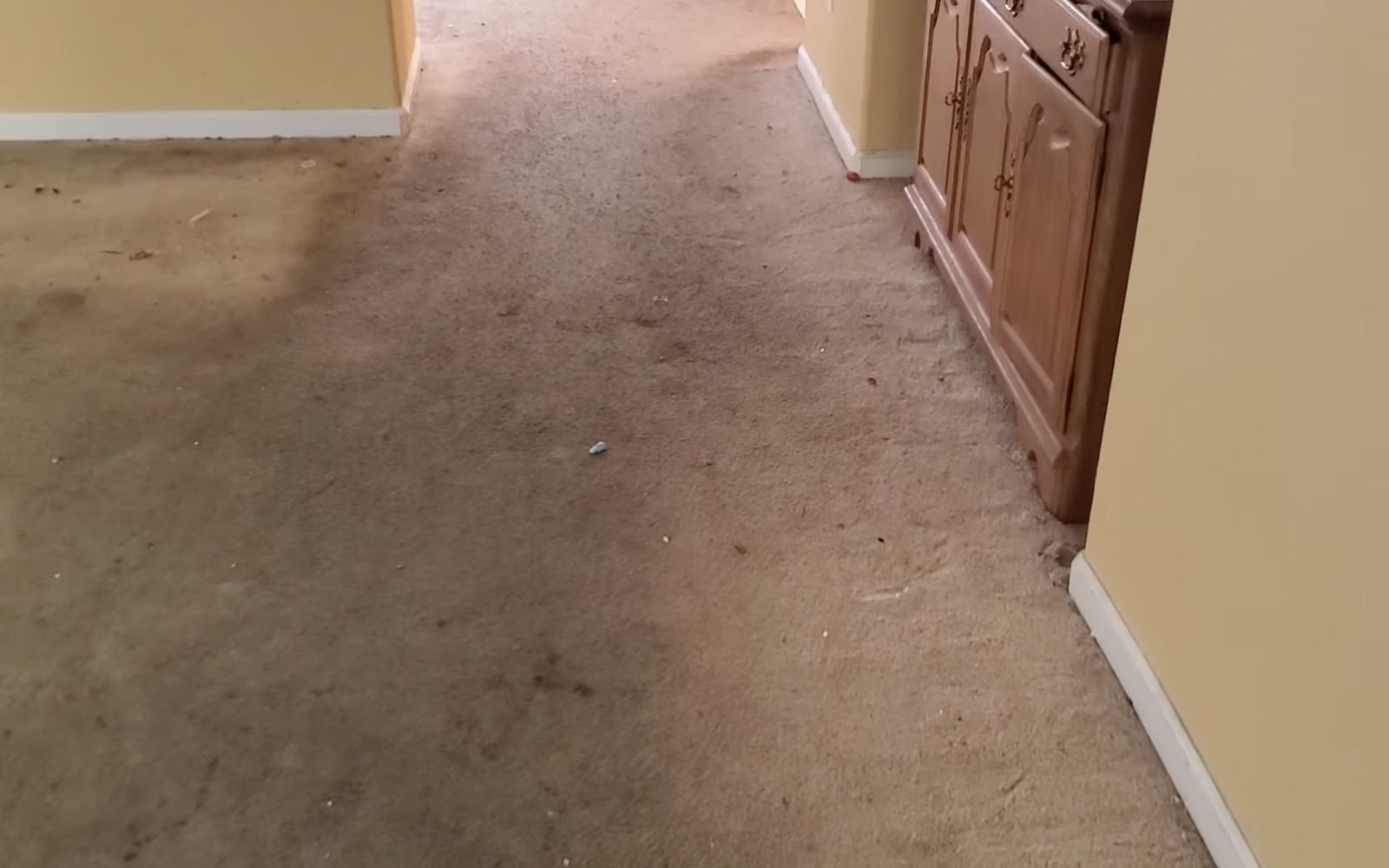
Sand grains are hard and sharp. Every time someone walks across a sandy carpet, those grains grind against the fibers like fine sandpaper. Over time that wears the fibers down, which is why high-traffic lanes near the door or patio slider start to look dull or grey even after vacuuming. Sand is also heavy, so it sinks to the base of the carpet where a quick vacuum pass cannot reach it.
How to vacuum sand out of carpet properly
The Carpet and Rug Institute recommends vacuuming high-traffic areas often, because removing grit early is the best way to protect carpet fibers. A few habits make a big difference:
- Go slowly. Fast passes leave most of the sand behind. Slow, overlapping strokes give the vacuum time to lift it.
- Change direction. Vacuum in one direction, then again at a right angle to loosen grit trapped against the pile.
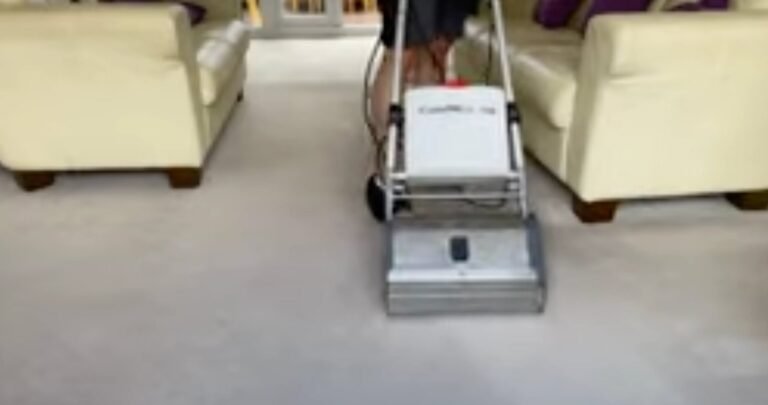
- Use the beater bar or brush roll on carpet settings, and keep the bag or bin from getting too full — suction drops quickly.
- Vacuum entry areas twice a week during beach season, and the rest of the house at least weekly.
Stop sand at the door
- Put a coarse mat outside and a second, absorbent mat inside every entry.
- Make the house shoes-off, especially after beach or pool days.
- Shake out towels, beach bags, and chairs outside, and rinse sandy feet with a hose before coming in.
- Brush off pets after walks on the beach or in sandy yards.
What not to do
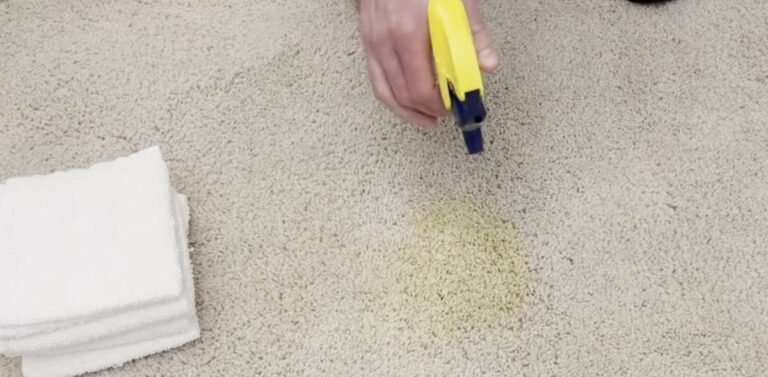
Do not wet-clean or shampoo a sandy carpet before vacuuming. Water turns loose sand into gritty mud that settles deeper into the backing and is harder to remove. Always get the dry sand out first.
A quick test: how much sand is in your carpet?
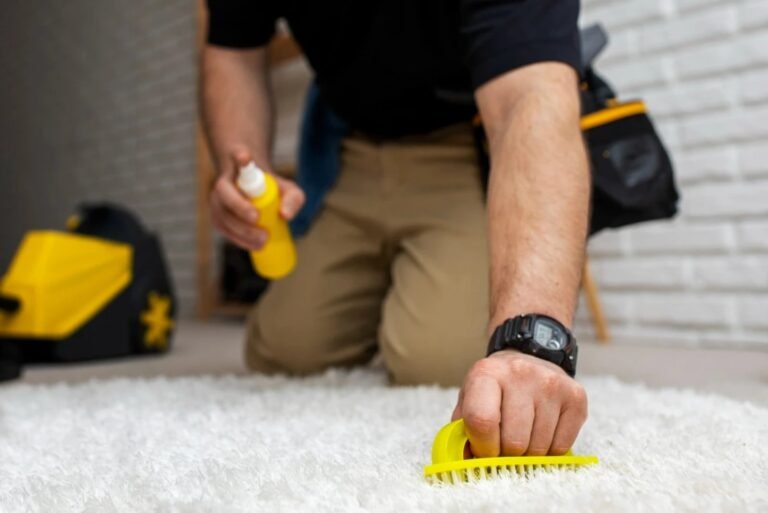
Pick a spot near your most-used door. Kneel down, spread the carpet fibers apart with your fingers, and look at the base. If you see a layer of fine grit, or you can feel it when you rub the fibers between your fingers, sand has built up below where your vacuum reaches. Another easy check is to lift the corner of an entry rug and look at the floor underneath — a sandy outline means a lot is being tracked in.
Tips for rentals and vacation homes near the water
Short-term rentals and seasonal homes close to the bay see more sand than most, because guests come straight from the beach. Put a boot tray and a hose or foot-rinse station by the door, leave a sign asking guests to shake out towels outside, and schedule a professional deep clean between busy seasons so sand does not wear down the carpet for the next guest.
Sand in carpet: quick answers
Can a regular vacuum get all the sand out?
Not usually. A good vacuum used slowly removes most loose sand, but some grit settles at the base of the fibers and needs a deep extraction clean to rinse it out.
Does sand ruin carpet?
Over time, yes. Sand wears down fibers in high-traffic areas, which makes carpet look dull and older than it is. Regular vacuuming and periodic deep cleaning slow that wear down a lot.
When sand in carpet needs a professional deep clean
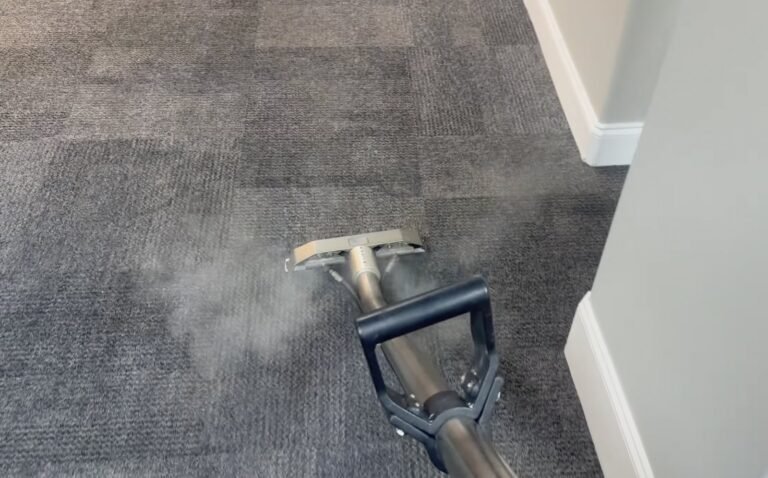
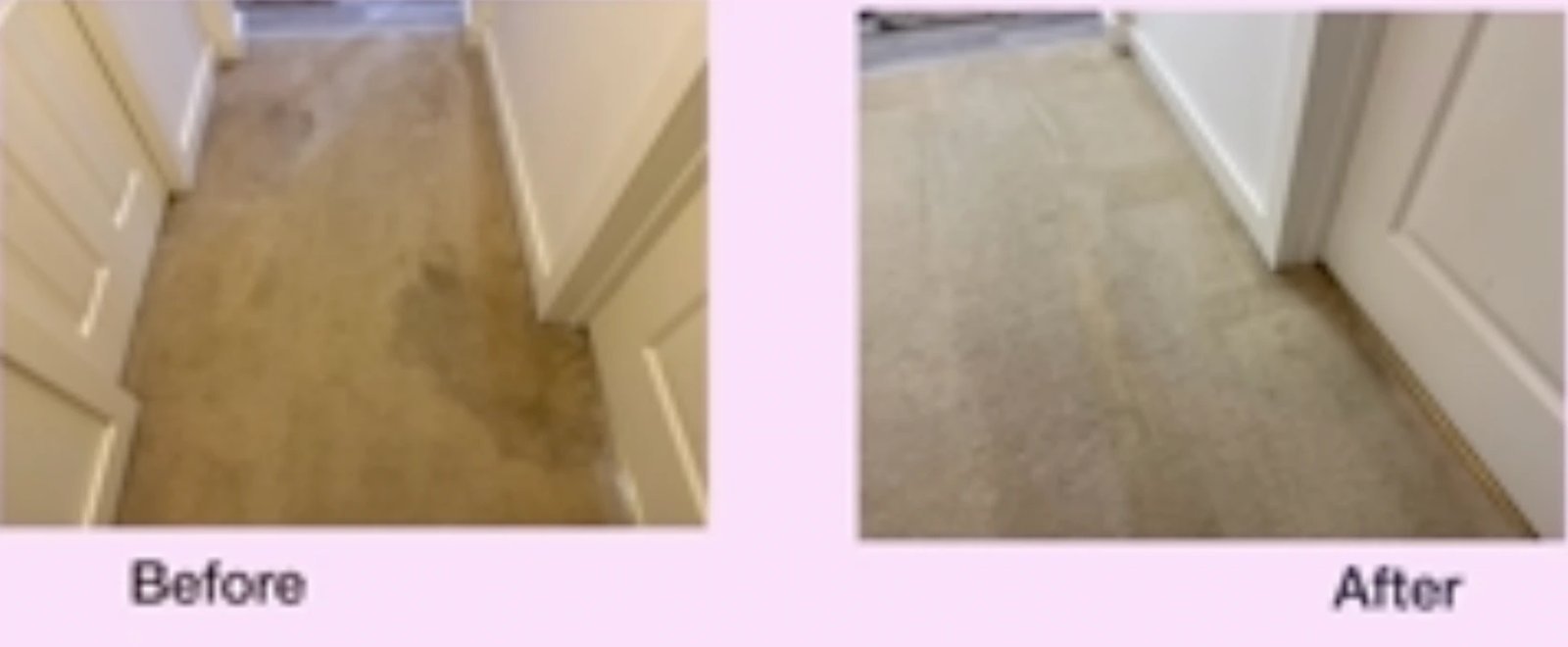
Even careful vacuuming leaves some grit at the base of the fibers. Professional hot water extraction cleaning rinses the carpet deep down and pulls embedded sand and soil out with strong suction. Most carpet manufacturers recommend a professional deep clean every 12 to 18 months — homes close to the water, with kids, or with pets usually benefit from cleaning more often.
If your traffic lanes are looking worn or grey, call Carpet Cleaning Ruskin at (656) 206-7990 for a free written estimate, or see all of our carpet cleaning services.